

A Good Day for Art
A Gallery Visit, Rooftop Gardens, and Why Art Belongs in Every Day

Welcome to the Michelle Seguin MD newsletter! I'm Dr. Michelle, and I'm so glad you're here. This week, a seasonal essay from a local gallery, a note from a longtime reader about a remarkable garden in Dearborn, and a few thoughts on why making room for art in our everyday lives might be one of the most restorative things we can do for our health. Annual memberships are 10% off through the end of March!
Hello friends,
Earlier this week, I found myself the only person inside a small gallery on a quiet Tuesday morning. The exhibit was about food, memory, and the stories we carry in recipes. I was in no hurry to leave, yet the rest of the day called. And just as I made my way toward the door, a woman came in from the cold in a brightly colored trench coat, looked around the room, smiled at me, and said: “it's a good day for art.”
With gratitude,
Dr. Michelle
If you've been thinking about joining the paid community, March is a lovely time to join. Annual memberships are 10% off through the end of the month. Your support makes this work possible.
A Good Day for Art
The gallery was quiet when I arrived. The particular kind of quiet that only exists in small museums on a weekday morning, when the heat ticks in the walls and the light falls at an angle that makes every detail come into focus. I was the only one there.
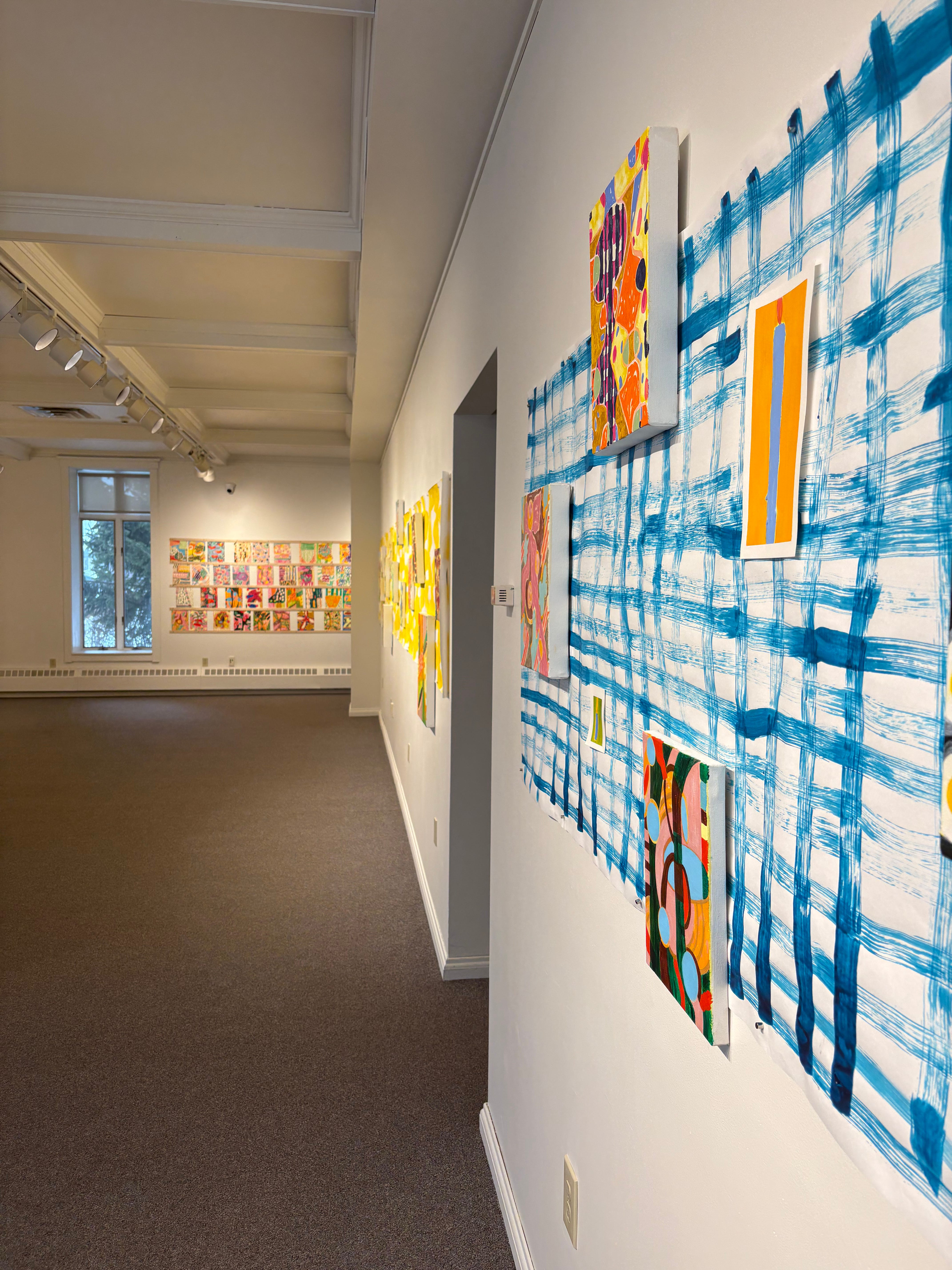
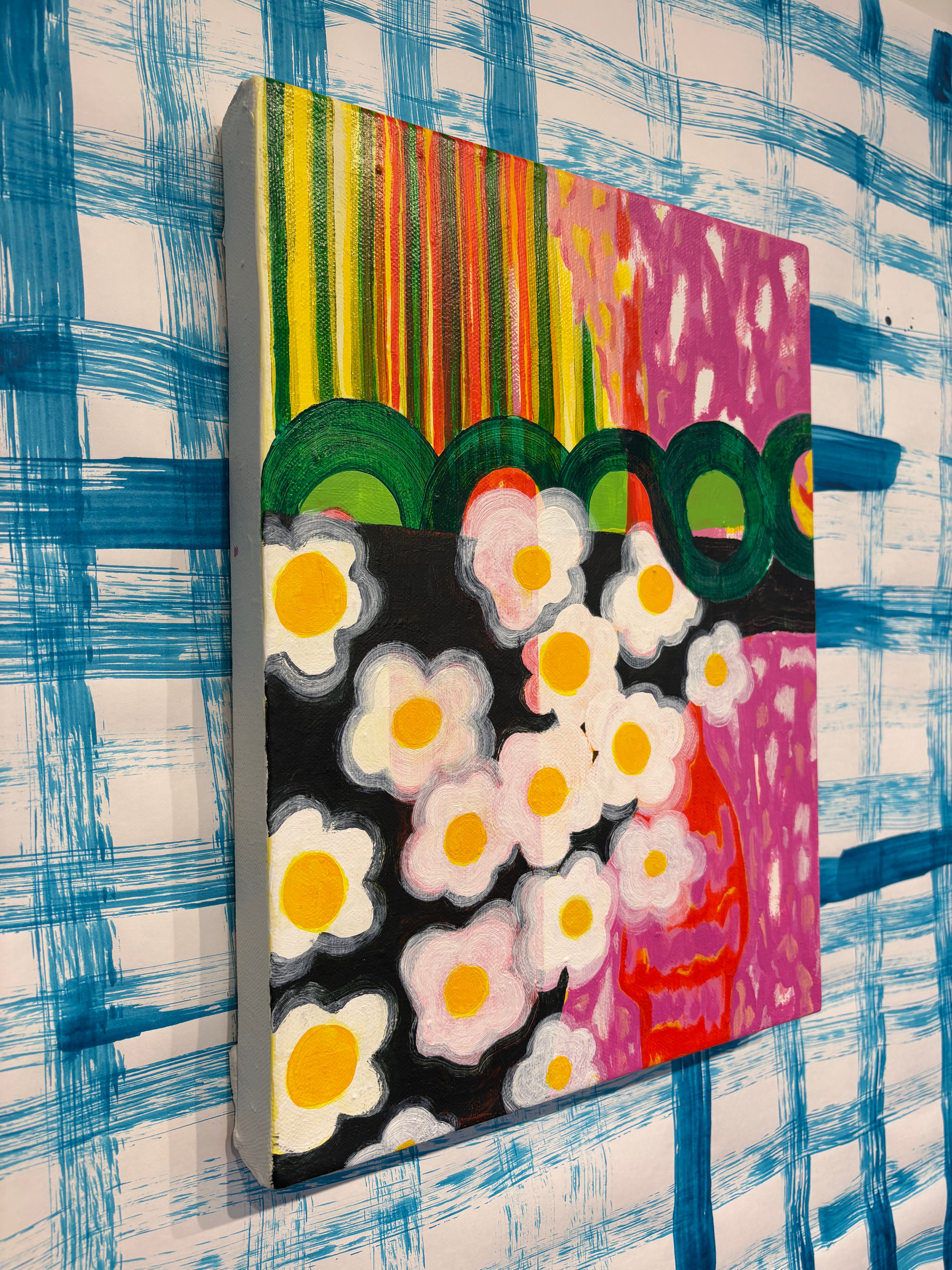
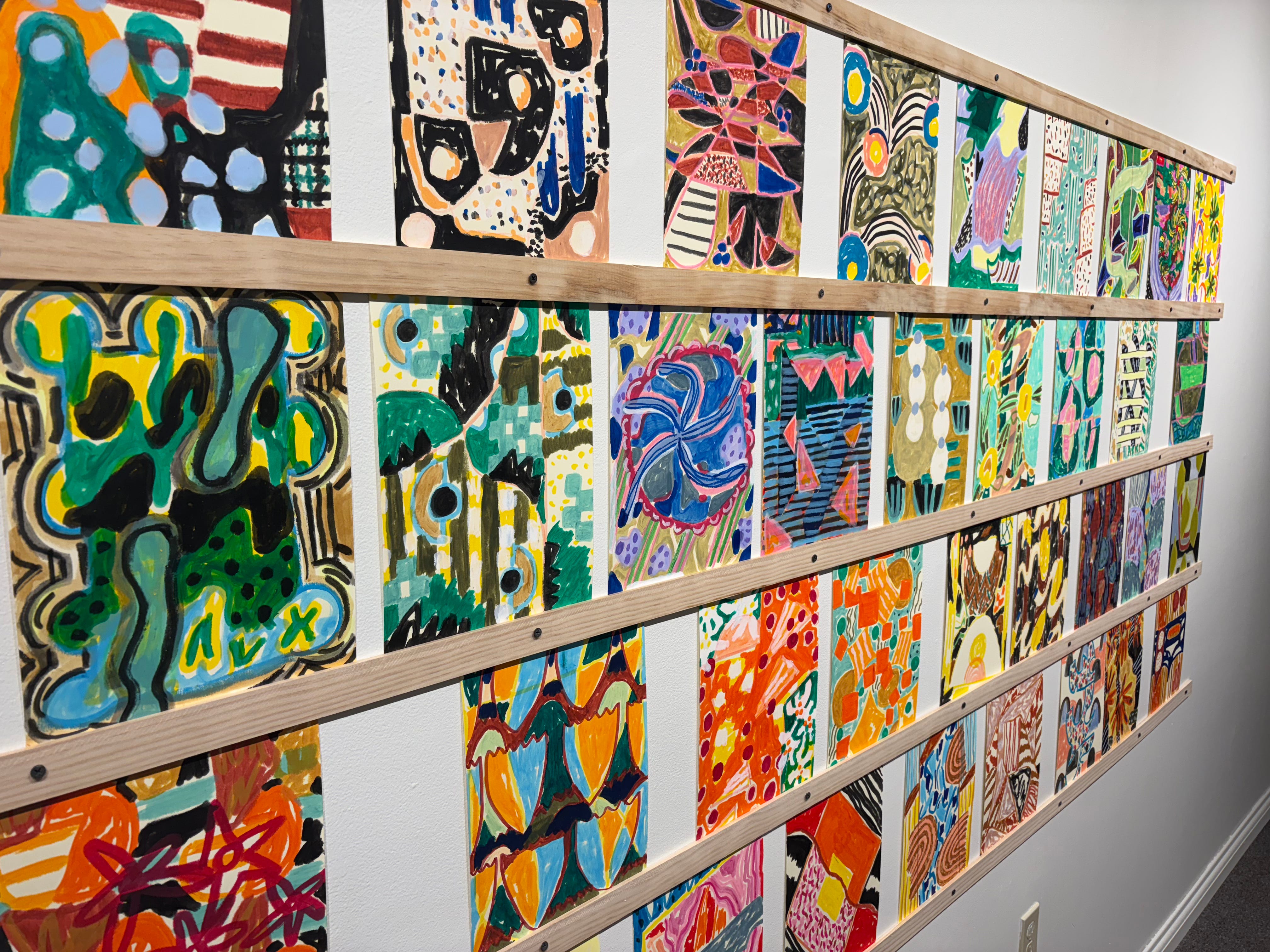
The exhibit was Salaiset Ruokaohjeet (Secret Recipes), paintings by Emily Lanctot hanging in the Finlandia Art Gallery at the Finnish American Heritage Center in Hancock. Lanctot is an artist, curator, and professor at Northern Michigan University whose practice centers “on place, material culture, and the everyday.” For this exhibit, she turned to recipes: collecting them from local community members, family cookbooks, and the kind of handwritten cards that live in kitchen drawers for decades. Most came from the Copper Country (our local community). One cookbook was produced by the very church that stood on this site before it became the Finlandia Gallery. Another, from Copper Harbor, contained a recipe from Lanctot's childhood neighbor, who also happened to be the gallery's first director. There were contemporary contributions, too, including a painting of James Beard Award-winning pastry chef Lisa Donovan’s sweet potato cake. (Speaking of Lisa Donovan: her memoir Our Lady of Perpetual Hunger has been on my radar for a while, and this letter just moved it to the top of the list.)
A key near the entrance listed every recipe depicted in the paintings, and I spent time with it before I moved through the room.
“Recipes are quick and slow, lasting and ephemeral, personal and universal. They slip out of existence as quickly as they might create a framework for tradition through repetition.” — Emily Lanctot
The paintings themselves are vivid and layered, texture and color doing what recipes rarely can, which is convey the feeling of a dish rather than just its instructions (although I am drawn to the latter in my cookbook club selections). I moved slowly, reading the key, looking at the work, thinking about all the meals that exist only in memory, the ones no one wrote down, the ones that lived entirely in someone’s hands (and hearts).
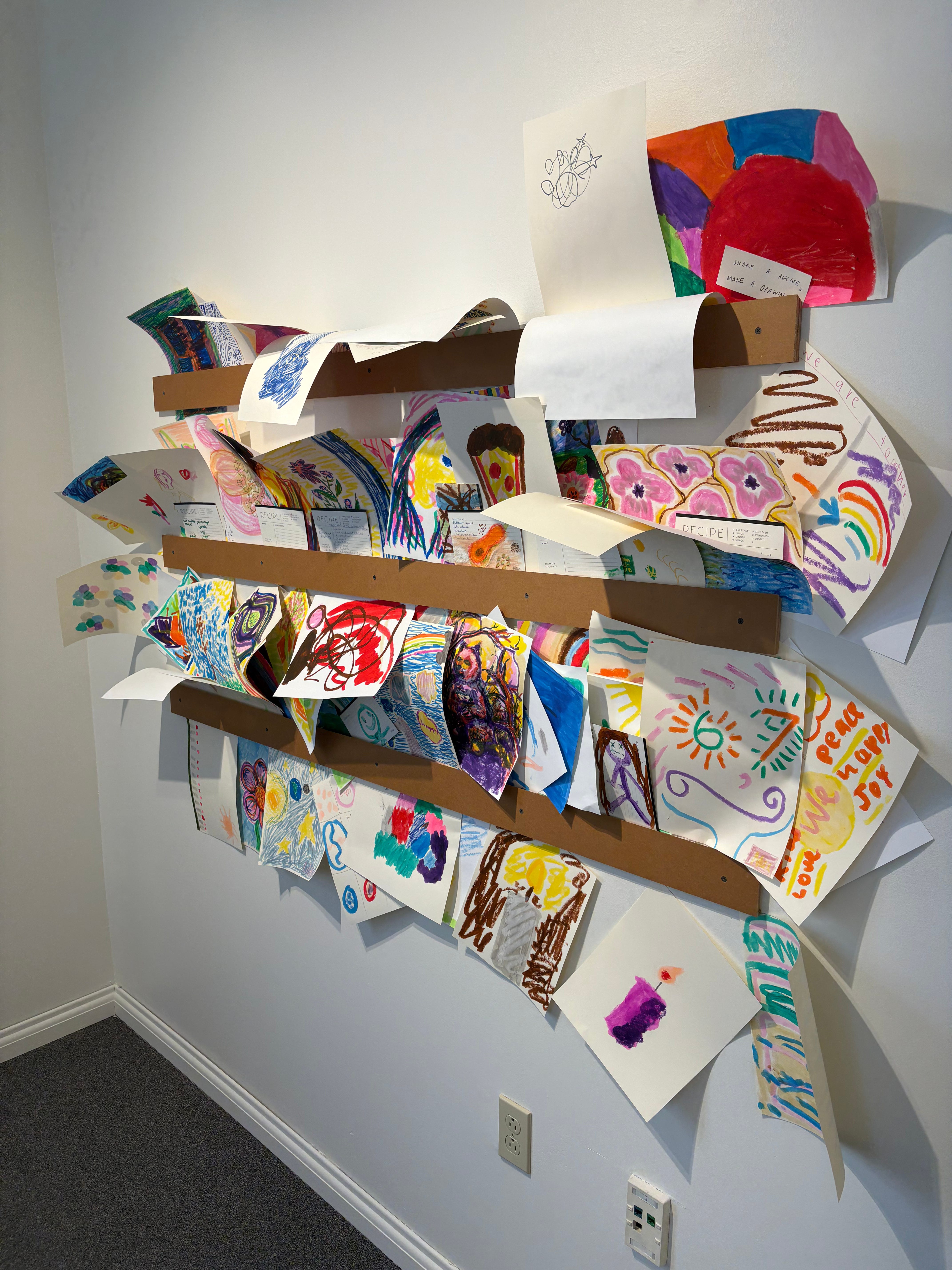
Near the side of the gallery, a table was set out with art supplies, blank recipe cards, and paper. Visitors were invited to make something of their own, to contribute a recipe, a drawing, a story, and add it to the exhibit. The wall beside it was already covered in colorful pages from people who had come before me, children’s drawings alongside handwritten recipes alongside abstract marks in crayon.
As I made my way toward the door, a woman came in from the cold in a brightly colored trench coat, still buttoned against the weather. She looked around the room, then looked at me, smiled, and said, “it’s a good day for art.”
Yes indeed…
I’ve been thinking about that phrase ever since. Not just as a greeting to a gallery (which I will happily borrow from this day forward), but as a kind of permission slip. We don’t tend to frame art that way in everyday life. We treat it as something that requires an occasion, a destination, a special trip. But what if art, encountering it, making it, sitting quietly with it, is something we can tend the way we tend a garden? Not always grand, not always finished, but present and ongoing.
The night before, my son mentioned he’d discovered a drawing app that walked him through sketching, step by step. We sat down together and happily sketched a fish and panda using this nifty, instructional tool. The next morning, on my way home from the gallery, I stopped at the art store. I found a sketchpad, a pencil kit, an eraser. I laid them out on the dining room table before he got home from school.
It was a small thing. But it felt like tending.
There is a growing body of research on what art does to us physiologically and psychologically, and it echoes what we know about other restorative experiences: time in nature, shared meals, moments of genuine presence. Engaging with art, whether as a viewer or a maker, activates the brain’s reward circuitry and supports cortisol regulation. A 2025 study from King’s College London found that spending just 20 minutes viewing original art in a gallery reduced cortisol levels by an average of 22%. It invites the nervous system to downregulate, shifting out of the hypervigilance of a crowded day into something slower and more receptive.
Art lovers: Curious which paintings were used in the study? You can find the full list here.
Researchers who study nature exposure use the term attentional restoration to describe what happens when the mind is given something gently interesting to rest on, something that holds attention without demanding it. When you’re standing in front of it, a painting does this too. When you’re standing in front of a Copper Country coffee cake recipe rendered in colors you wouldn’t have expected, you’re not thinking about your inbox. You’re just looking, noticing, feeling something move in you even if you couldn’t name it.
That quality of presence is medicine, and not just as a metaphor. The neural pathways that activate during aesthetic experience overlap significantly with those involved in emotional regulation, empathy, and meaning-making. We are, it turns out, built for beauty, wired to respond to it in ways that show up in the body.
There is something in Finnish culture that has never quite separated making from beholding, skill from art. The woman who walked into the gallery that morning understood something about this. She didn’t say I’m going to see some art. She said it’s a good day for it, as if art were weather. As if it were already in the air, waiting.
Tending the Creative Life
It doesn’t take a gallery visit to find it, though those are always worth seeking. A few ways to make more days good days for art:
Keep supplies where you’ll find them. A sketchpad on the dining table. Colored pencils in a jar on the windowsill. Watercolors near the sink. The barrier to making something is almost always logistical; lower it.
Try a beginner’s mind practice. Draw something badly. Paint without a plan. Follow an instructional app for ten minutes with no goal other than noticing what it feels like to learn something slowly. Earlier this February I tried neurographic art for the first time and found it surprisingly therapeutic. You can read more about that experience here. The research on expressive arts, even informal and private making, shows real benefits for mood, stress, and sense of agency.
Visit a local gallery, mural, or public installation. Most communities have more than you’d expect, often free, often quiet. The Finnish American Heritage Center’s Finlandia Gallery is a gem hiding in plain sight for those of us in the U.P. Look for what’s in your own backyard before planning a trip somewhere else.
Build art into travel, intentionally. Before a trip, look up one museum, one gallery, one public mural worth finding. It changes the texture of a place. It also gives you somewhere to go that belongs to the people who live there.
Treat art encounters the way you treat time in nature, as necessary, not optional. You wouldn’t apologize for taking a walk. You don’t need to apologize for standing in a gallery for twenty minutes on a Tuesday morning, either.
What does art look like in your everyday life? I'd love to hear what's on your walls, your table, or your sketchpad right now.
Letters from You
One of my favorite parts of writing this newsletter is what comes back to me. A few weeks ago, I received a note and a magazine clipping from Suzanne, a longtime reader and, as it happens, a former medical school professor of mine. The article was about a garden project I hadn't yet heard of, and it fit in beautifully with this week’s letter.
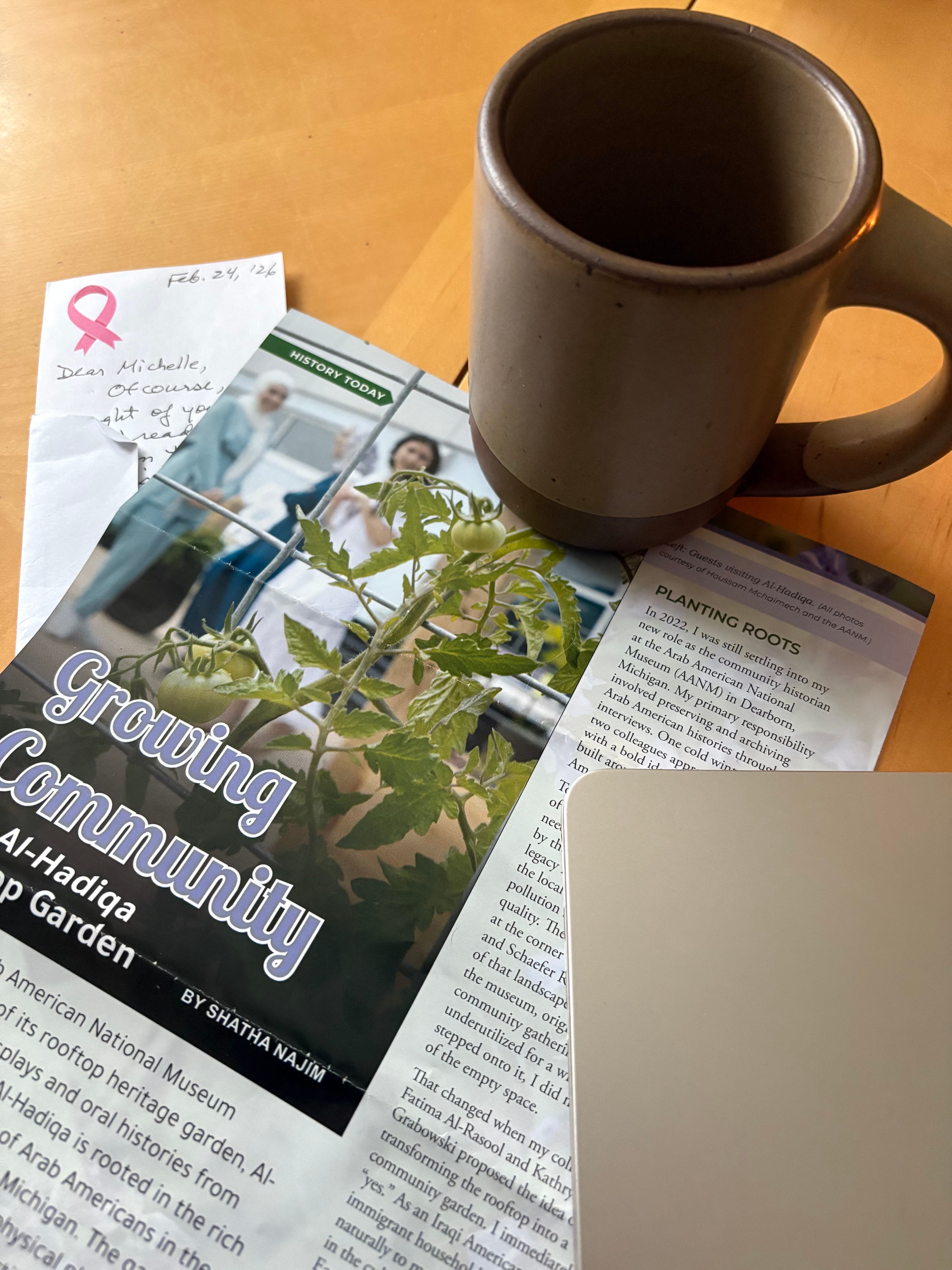
Al-Hadiqa, "the garden" in Arabic, sits on the rooftop of the Arab American National Museum in Dearborn, Michigan, home to one of the largest Arab American communities in the country. The garden grows plants, vegetables, and herbs from across the Arab world: Aleppo peppers from Syria, Iraqi heart tomatoes, Armenian cucumbers, za'atar, figs. Many of the seeds were carried back by community members from their homelands, including one woman who brought mulukhiyya seeds from Palestine in 2023. Alongside the plants, the garden includes oral history displays: photos of Dearborn residents who donated seeds, with audio recordings of their stories about gardening as ancestral practice, as a form of memory, as a way of feeling at home in a new place.
“Seeds are living beings that produce life... you have a relationship to them, and all the other plants and living beings as your kin.” — Dr. Charlotte Karen Albrecht
“It’s about memory,” said the museum’s community historian. “It’s about making roots and establishing a place for yourself here in this new land.”
Al-Hadiqa is that understanding made visible, edible, rooted in the literal soil of a rooftop garden in an American city, tended by community members who know exactly what these plants mean.
At a moment when so much divides us, when the news from the Middle East weighs heavily and the complexity of it all can feel paralyzing, there is something grounding about a garden that simply says: we are here, we carry these seeds, and they belong to everyone who tends them. It feels like art as unifying act, food as living memory, community as the ground in which both take root.
Thank you, Suzanne, for sending this along. It was, much like a seed, a gift.
I'd love to hear what you're noticing in the world, a garden, an exhibit, an article, a recipe that stopped you. You can always reply directly to this email, and I read every message.
In Closing
What strikes me, looking at everything in this letter together, is that art and food and story are all doing the same essential work. They are conduits for connection, ways of saying: I was here, this mattered, here is what I carried. Whether it’s a painted recipe, a rooftop garden, a seed brought home from across the world, a conversation about a cookbook—they are all, in the end, acts of tending.
That is what I hope the Savor the Seasons Cookbook Club and Kitchen Conversations are building in this small community, a space where food stories across cultures, seasons, and traditions are held with care. Where the meal on the page becomes a thread between us all.
With love and care,
Dr. Michelle
P.S. If this letter resonates, I’d be grateful if you liked it or shared it with a friend. And if you’ve been considering joining the paid community, annual memberships are still 10% off through the end of March. Prices will be increasing in April.
Here are my most recent Substack sharings:
Paid subscribers receive access to author-narrated seasonal essays like this one. Perfect to listen to during a winter walk or your weekly meal prep.
The contents of this newsletter are for informational purposes only and are not intended to be a substitute for professional medical advice, diagnosis, or treatment. This newsletter does not constitute a doctor-patient relationship. Always seek the advice of your physician or qualified healthcare provider with any questions you may have regarding a medical condition.
Some links are affiliate links (Bookshop), which means I may earn a small commission at no extra cost to you. This helps support my work.
